Emergency Roof Repair: What to Do Before Help Arrives
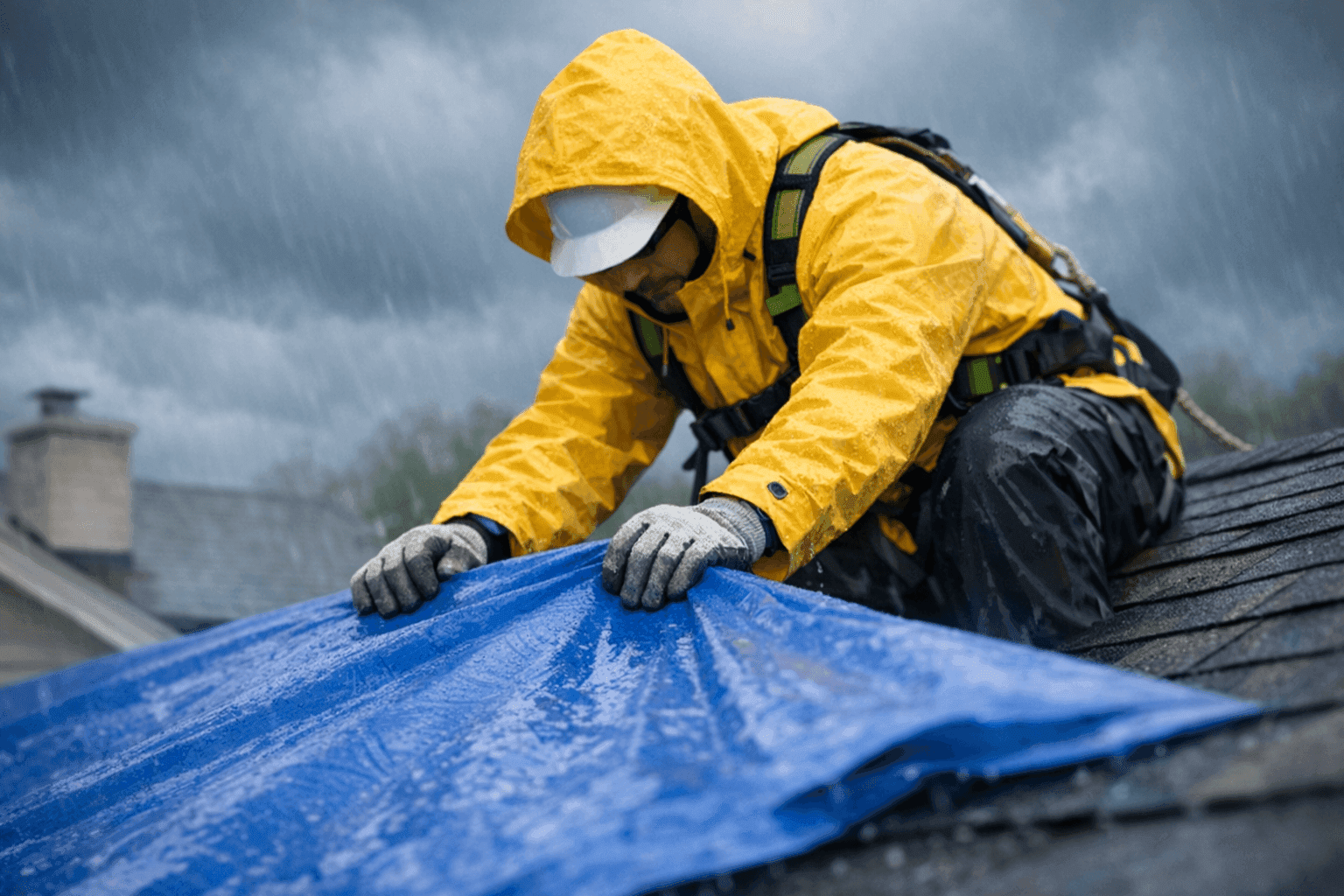
When the sky opens up and water starts dripping into your living room, seconds feel like hours. Roofing emergencies don’t wait for business hours. At KRB Contractors Roofing, we understand how stressful these moments can be—for homeowners and business owners alike. You need quick answers and safe, clear advice.
This guide walks you through what to do before a professional arrives. You’ll learn how to minimize damage, protect your family or staff, and avoid common mistakes. Breathe easy. We’re here to help.
Types of Roofing Emergencies
Not every roof problem is an emergency, but some demand immediate attention. Here are the most common scenarios:
- Severe Storm Damage: High winds, hail, or falling branches can rip through shingles, tiles, or metal panels in minutes.
- Major Leaks: Water coming through the ceiling or down walls signals urgent trouble—especially if it’s pooling inside.
- Structural Damage: Sagging, bowing, or cracking rafters after a storm can mean the roof is unsafe.
- Fire or Impact Damage: Firefighters cutting through the roof, or a heavy object (like a tree limb) falling on it, creates a sudden hazard.
Emergencies demand action. Quick thinking can be the difference between a minor inconvenience and a major repair.
Immediate Actions to Take
When disaster strikes, every minute counts. Here’s what you should do right now:
- Move People and Valuables: Get everyone—including pets—out from under leaks or sagging ceilings. Move electronics and valuables away from water.
- Contain Water: Use buckets, towels, or plastic bins to catch dripping water. If possible, poke a small hole in a bulging ceiling bubble to relieve pressure and avoid a sudden collapse.
- Cover Furniture: Use plastic sheets or garbage bags to protect what you can.
- Shut Off Electricity: If water is near electrical panels or outlets, turn off the power at the breaker box. Safety first.
- Document Everything: Take photos or videos of the damage for insurance. Don’t wait—evidence now will make claims much smoother.
Safety Tips: Protect Yourself and Others 🦺
Roofs can be as slippery as a skating rink after rain. Falls account for one-third of all construction fatalities (per OSHA). Don’t become a statistic.
- Don’t Climb on a Wet or Damaged Roof: Wait for professionals with safety equipment.
- Use a Sturdy Ladder: Place it on level ground, have someone hold it, and never climb when windy or dark.
- Wear Proper Shoes: Rubber-soled, non-slip footwear only.
- Keep the Area Clear: Warn family, tenants, or employees to steer clear of leak zones and the attic.
- Don’t Try to Fix Structural Damage: If you see sagging, cracking, or bowing—get out and call for help.
If you smell gas, hear creaking, or see sparks, evacuate and call emergency services immediately.
Quick Steps to Minimize Water Intrusion
Water is a slow-moving invader. Even small leaks can cause big problems if left unchecked. Here’s how to slow it down:
- Tarp the Roof (If Safe): If rain has stopped, and you can safely access the area, use a heavy-duty tarp. Anchor it with boards or heavy objects—never nails—so you don’t worsen the damage.
- Check Gutters and Downspouts: Clear away visible debris near the affected area. Blocked gutters can send water straight into the roofline.
- Sealant as a Temporary Fix: For small holes, roofing tape or silicone caulk can help hold back water until professionals arrive.
- Move Insulation: Wet insulation in the attic should be carefully moved aside to help the area dry out faster. Wear gloves and a mask.
Remember, these are band-aids, not cures. They buy you time, not a permanent fix.
What Not to Do in a Roofing Emergency
Sometimes well-meaning efforts make things worse. Here’s what to avoid:
- Don’t Use Makeshift Materials: Cardboard, towels, or duct tape won’t hold up on a roof in the rain.
- Don’t Rip Off Damaged Shingles or Tiles: You might expose more of the underlayment and invite further leaks.
- Never Ignore Sagging or Bulging Ceilings: These can collapse suddenly with little warning.
- Don’t Delay Calling for Help: Waiting can turn a quick repair into a costly replacement.
If you’re unsure, wait for the pros.
DIY vs. Professional Emergency Services
It’s tempting to tackle problems yourself, but roofing is tricky. Some jobs cross the line from DIY to pro territory:
DIY (Short-Term):
- Placing buckets under leaks
- Carefully laying a tarp (if dry, safe, and accessible)
- Clearing visible debris from gutters
Professional Only:
- Structural repairs
- Roof flashing repair
- Leak tracing and permanent fixes
- Skylight repair or replacement
- Large-area tarping in high winds
Professionals use specialized equipment and know how to spot hidden dangers. According to the National Roofing Contractors Association, improper repairs can void warranties or violate building codes. When in doubt, call for help.
Preventing Further Damage
Your actions now can save thousands down the road. Here’s how to keep problems from snowballing:
- Remove Standing Water: If safe, mop up or wet-vacuum water from floors and carpets to prevent mold.
- Ventilate the Area: Open windows, run fans, or use a dehumidifier if you have one.
- Inspect Adjacent Rooms: Water travels along beams and pipes—check nearby walls and ceilings for signs of moisture.
- Check Attic and Insulation: Damp insulation loses its R-value and can harbor mold. Remove or set aside wet insulation until repairs are made.
If you’re looking for Tile Roofing near you, or need Storm Damage Restoration, these steps will help limit damage while you wait for a professional roofing contractor.
When to Call a Professional
Some signs mean it’s time to reach out for help—fast.
- Water is pouring in, not just dripping.
- Ceilings are bulging or sagging.
- There’s visible structural damage (cracked beams, collapsed sections).
- Multiple leaks appear at once.
- You’re unable to safely access the roof area.
For emergencies, it’s always best to call a trusted roofing company, like KRB Contractors Roofing, who can respond quickly and safely.
Signs of Trouble: What to Watch For
Sometimes, the warning signs are subtle. Look for:
- Stains or discoloration on ceilings and walls
- Peeling paint or bubbling plaster
- Musty odors (a sign of hidden moisture)
- Shingle, tile, or metal debris on the ground after storms
- Daylight visible through the attic or roof boards
Don’t ignore these clues. They’re the canary in the coal mine.
Common Mistakes to Avoid
Rushing leads to errors. Here are some frequent missteps:
- Waiting too long to act—even a few hours can lead to mold or structural issues.
- Covering vents or exhausts with tarps, trapping moisture inside.
- Forgetting to call insurance—many providers require prompt notification.
- Attempting repairs during dangerous weather—always wait for conditions to improve.
Materials and Tools: What Helps in a Pinch
Having a few essentials on hand can make all the difference:
- Heavy-duty tarps
- Roofing tape or sealant
- Buckets and towels
- Flashlight with fresh batteries
- Gloves and non-slip shoes
- Camera or smartphone for documentation
Store these in an easy-to-reach spot—not buried in the attic.
Professional Arrival: What to Expect
When the KRB Contractors Roofing crew arrives, here’s what happens next:
- Thorough Inspection: We’ll assess the damage inside and out, including attic and roof surface.
- Temporary Stabilization: Emergency tarping or sealing to prevent further water entry.
- Root Cause Identification: Finding the real source of the leak—not just the symptom.
- Clear Communication: We’ll explain next steps, safety concerns, and what repairs are needed.
- Insurance Documentation: Detailed photos and notes if you’re filing a claim.
Emergency roofing services are designed to get you safe and dry—fast.
Costs and Time Factors
Emergency repairs often cost more than scheduled work, due to urgency and overtime. Factors include:
- Extent of damage
- Materials needed
- Accessibility (steep roofs, multi-story buildings)
- Weather conditions
Most quick stabilizations take a few hours, while full repairs or replacements may require return visits. Always ask for an estimate before work begins.
Prevention: Staying Ahead of the Next Emergency
A little maintenance goes a long way. Here’s how to reduce your risk:
- Schedule regular inspections—ideally twice a year, per the National Roofing Contractors Association.
- Keep gutters and downspouts clear.
- Trim overhanging branches.
- Invest in quality roofing materials—especially in storm-prone areas.
- Address small leaks or loose shingles immediately.
Looking for a reliable roof repair or preventative maintenance? Early action saves money and stress.
Seasonal Considerations
Different seasons bring unique risks:
- Spring: Heavy rains test your roof’s water resistance.
- Summer: UV rays and heat can crack or curl shingles.
- Fall: Falling leaves clog gutters and downspouts.
- Winter: Ice dams and snow loads stress the structure.
Schedule a pre-season inspection to catch issues before they escalate.
FAQ: Your Roofing Emergency Questions Answered
Can I stay in my house during a major leak?
If the leak is small and contained, yes. If there’s risk of collapse, leave immediately.
Will insurance cover emergency repairs?
Most policies cover sudden damage from storms, fire, or falling objects. Always document damage and call your agent early.
How soon can a pro arrive?
At KRB Contractors Roofing, we prioritize emergencies. Response times vary based on conditions and demand.
What if I rent?
Contact your landlord right away. They’re responsible for repairs, but your renter’s insurance may cover personal property.
Timeline & Disruption: What to Expect
A typical emergency call unfolds like this:
- Within 1 hour: Initial call, advice, and possible safety steps.
- Within 4-24 hours: On-site assessment and stabilization.
- Next 1-5 days: Full repair or replacement, depending on weather and materials.
Some disruption is inevitable—noise, equipment, and traffic. Protect pets, move vehicles, and expect a bit of dust.
Roofing Emergencies in Your Area
No matter where you live, emergencies strike when you least expect them. If you’re looking for reliable roofing services in your area, our team at KRB Contractors Roofing is ready to help 24/7.
Final Thoughts: Stay Calm, Stay Safe
Roof emergencies are stressful, but you’re not alone. Your safety comes first. Quick action, paired with professional help, keeps damage—and worry—to a minimum.
Call KRB Contractors Roofing now — or reach us anytime at 855-528-1936 .