Eco-Friendly Roofing Options for Sustainable Homes and Businesses
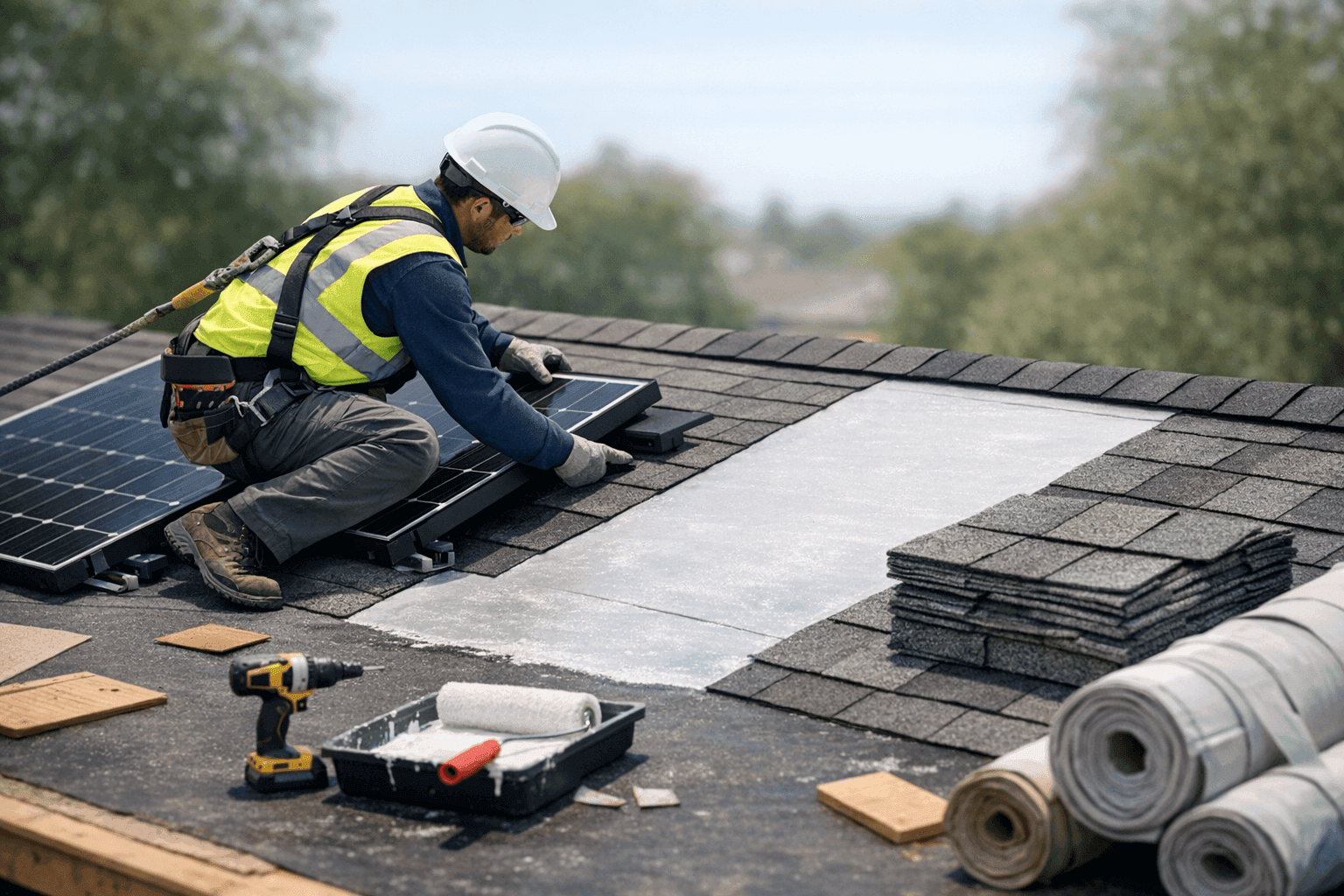
Is your roof working for you—or against your goals for a greener property? Whether you're a homeowner or run a business, the way you roof matters. The right choices can save you money, lower your energy bills, and shrink your environmental footprint. At KRB Contractors Roofing, we know that sustainable roofing options aren’t just a trend—they’re the future.
Ready to make your next roof a smart, eco-friendly investment? Let’s break down what you need to know.
What Is Eco-Friendly Roofing? 🌱
Eco-friendly roofing is about more than just using recycled materials. It’s a whole-system approach. Think of it as giving your property a new hat—one that’s stylish, tough, and keeps the heat (or cold) out. Eco-friendly roofs are designed to:
- Reduce waste during installation and at end-of-life
- Boost energy efficiency for the long haul
- Use materials that are kind to the planet
This could mean installing a green roof with living plants, choosing highly reflective shingles, or using recycled metal panels. The key? Every layer, from underlayment to flashings, works together for sustainability. According to the U.S. Department of Energy, cool roofs alone can lower roof surface temperature by up to 50°F, dramatically shrinking cooling costs.
Material Options: What’s Green and Why?
Choosing the right roofing material is like picking the right armor for your building. Here are some of the top eco-friendly contenders:
Recycled Shingles
Made from post-consumer waste like rubber, plastic, or wood fiber, these shingles give old materials new life. They last as long as traditional shingles but are far gentler on the environment.
Metal Roofing
Metal roofs, especially those made from recycled steel or aluminum, reflect sunlight and keep buildings cooler. They’re lightweight, fire-resistant, and can last 50+ years. And at the end of their life, they’re 100% recyclable.
Cool Roofs
Cool roofs use special coatings or light-colored materials to bounce back the sun’s rays. That means a cooler building and less strain on your air conditioner.
Clay and Concrete Tiles
Classic tile roofing near you can be greener than you think. Tiles are durable, made from natural materials, and often recyclable. They’re also great at regulating indoor temperatures.
Living (Green) Roofs
Imagine a rooftop garden—literally. Green roofs support vegetation, help manage stormwater, and offer insulation. They’re more common on commercial buildings but are making their way into residential design, too.
The Benefits of Green Roofs
Why go green? Here’s what you get:
- Lower Energy Bills: Reflective or vegetated roofs keep buildings cool in summer and insulated in winter.
- Longer Roof Lifespan: Many sustainable materials are less prone to cracking, rust, or decay.
- Better Air Quality: Plants on green roofs help capture dust and pollutants.
- Stormwater Management: Living roofs absorb rain, reducing runoff and lowering flood risk.
- Boosted Property Value: Eco-friendly upgrades are attractive to buyers and can increase resale value.
Solar and Cool Roof Technologies ☀️
Solar panels and cool roof coatings are like power-ups for your property.
Solar Integration
Solar panels can be added to most roofing systems or integrated as part of the roof itself. Not only do they generate clean electricity, but in some cases, you may qualify for federal tax credits or state incentives. The U.S. Office of Energy Efficiency & Renewable Energy is a great source for up-to-date programs.
Cool Roof Coatings
Think of these as sunscreen for your building. Applied over shingles, metal, or flat roofs, cool coatings reflect sunlight and reduce heat absorption. This simple step can extend roof life and cut cooling costs.
Recycled Materials: Give Old Products a New Purpose
Using recycled roofing materials is like turning yesterday’s waste into tomorrow’s shelter. Look for:
- Shingles made from tire rubber, plastic, or reclaimed wood
- Metal panels with a high percentage of recycled content
- Composite tiles that blend recycled paper or plastic with durable resins
When you choose recycled materials, you’re helping to keep waste out of landfills and reduce the demand for new raw resources.
Energy Efficiency: Save More Than the Planet
A sustainable roof is like a thermos for your building. It keeps heat where you want it—and blocks it when you don’t.
- Ventilation & Insulation: Properly installed insulation and roof ventilation, like those from our Ventilation & Insulation services, ensure your eco-friendly roof works at peak efficiency. This means less wasted energy and more comfort all year long.
- Sealants and Coatings: High-performance, low-VOC sealants and coatings (see our Sealants and Coatings services) protect your roof from leaks and weather, making it last longer and perform better.
Tax Incentives and Rebates
Going green can help your wallet, too. The IRS and many state agencies offer tax credits and rebates for energy-efficient roofing upgrades. These programs change often, so check with your local building department or Energy Star for current offerings.
Durability: Built to Last
Eco-friendly doesn’t mean fragile. In fact, many sustainable roofs outlast conventional ones. Metal roofs shrug off hail and wind. Tile resists fire and extreme temps. Green roofs protect the underlying structure from UV rays and thermal shock.
Maintenance: Keep It Simple
All roofs need love, but eco-friendly roofs are often easier to maintain:
- Fewer repairs with high-quality, durable materials
- Less mold and algae growth thanks to better ventilation and coatings
- Simpler cleaning routines for solar and cool roofs
Schedule regular inspections—at least once a year and after major storms—to keep everything performing as it should.
When to Choose Eco-Friendly Roofing
Not every property is the same. Consider eco-friendly options if:
- Your roof is due for replacement
- Energy bills are climbing
- You want to boost your building’s value
- Sustainability is part of your brand or lifestyle
- Local codes or incentives support green upgrades
Safety First: Code and Installation
Eco-friendly roofs must still meet building codes and safety standards. The International Building Code (IBC) and Occupational Safety and Health Administration (OSHA) set clear guidelines for installation, fire resistance, and structural integrity. Always work with a licensed roofing contractor who understands these requirements.
Common Mistakes to Avoid
- Skipping professional installation—DIY can void warranties and risk code violations
- Choosing the wrong material for your climate
- Ignoring insulation and ventilation (they matter just as much as the roof surface)
- Forgetting about maintenance
Signs Your Roof Needs an Eco-Friendly Upgrade
Watch for these signs:
- Hot or cold spots inside your home or business
- Sagging or water-stained ceilings
- Rising energy bills
- Visible damage, like cracked tiles or rusted metal
- Old, brittle shingles past their prime
Timeline & Disruption: What to Expect
Most eco-friendly roof installations take about the same time as traditional ones—usually a few days for residential, longer for commercial. Living roofs or solar integrations may take extra time for setup and inspection. Expect some noise and activity, but a professional team keeps mess and disruption to a minimum.
Seasonal Considerations
Spring and fall are ideal for roof replacements or upgrades. That’s when weather is mild, and installers can work efficiently. In regions with heavy rain or snow, plan ahead to avoid delays.
DIY vs. Professional Installation
While handy homeowners can handle some minor repairs or gutter cleaning, installing or upgrading to an eco-friendly roof is best left to the pros. Proper installation protects your investment and ensures maximum performance and safety.
Prevention & Maintenance Tips
- Inspect flashings, gutters, and downspouts regularly
- Clean debris off the roof to prevent mold and water damage
- Reapply cool roof coatings as directed
- Trim trees away from your roof to cut down on debris and shade
Where to Start
Thinking about making the switch? Your next step is a thorough inspection. A professional eye can spot hidden problems and recommend the best green roofing solution for your property.
If you’re looking for eco-friendly roofing company services that add value and reduce environmental impact, our team at KRB Contractors Roofing is here to help.
Call KRB Contractors Roofing now — or reach us anytime at 855-528-1936 .