Decking and Roofing: What Every Property Owner Should Know
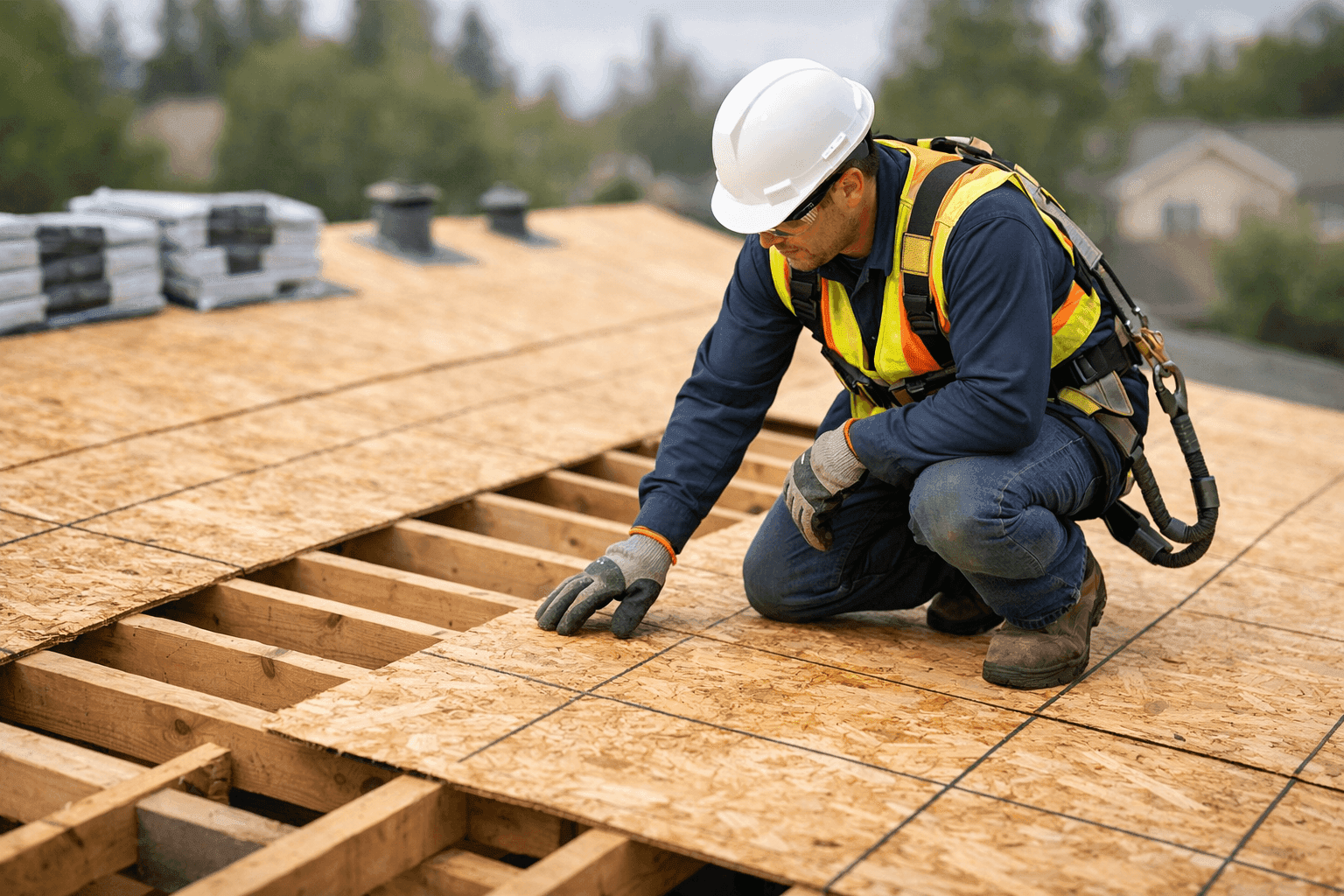
When you look up at your roof, what do you see? Shingles, tiles, or metal panels—maybe some gutters and flashing. But the most important layer? It’s the one you don’t see: the roof decking. It’s the backbone of your entire roofing system.
Ignoring decking is like ignoring the foundation under your house. At KRB Contractors Roofing, we know how hidden problems can catch homeowners and business owners off guard. Let’s walk through what every property owner should know about decking and why it matters for your safety, comfort, and investment.
What Is Roof Decking? 🏠
Think of roof decking as the stage beneath the show. It’s the flat surface—usually made of wood or sometimes metal—that sits directly on your roof’s framing. All your roofing materials, from shingles to tile, rest on this critical layer.
Decking gives your roof its shape and strength. Without it, the “house of cards” would collapse. It also creates a solid, continuous base for underlayment, insulation, and finishing materials. The right decking ensures your roof stands up to storms, wind, and the weight of snow.
Why Decking Matters: More Than Just a Surface
Decking isn’t just there for support. It locks out moisture, braces against heavy loads, and stops leaks before they start. When decking fails, it’s like a cracked spine—everything above is at risk.
For both residential and commercial properties, strong decking is essential. It keeps your roof from sagging, leaking, or even caving in during severe weather. Building codes—like those from the International Building Code (IBC)—set standards for proper decking thickness and material choice, ensuring roofs are safe and sound.
Decking Materials: What’s Under Your Roof?
Not all decking is created equal. Here are the most common types you’ll find under roofs today:
- Plywood: The traditional favorite. It’s tough, resists splitting, and holds nails well.
- Oriented Strand Board (OSB): Made from pressed wood strands. OSB is cost-effective and widely used, but can be more vulnerable to water damage.
- Tongue-and-Groove Boards: Thick, interlocking wood planks—often found in older or historic homes.
- Metal Decking: Used in some flat commercial roofs for extra strength and fire resistance.
The choice depends on your roof’s slope, climate, and budget. For instance, flat roofs or commercial buildings might need metal decking for extra durability. Residential homes often rely on plywood or OSB. If you’re considering a new decking installation, consulting a professional ensures your structure meets code and performs for decades.
Signs of Decking Damage
Decking problems can hide in plain sight. Here’s what to look for:
- Sagging or uneven rooflines: A wavy ridge or drooping eaves often means the decking is weakening.
- Water stains on ceilings: Leaks often travel through decking before appearing indoors.
- Spongy or soft spots on the roof: If it feels like walking on a trampoline, the decking may be rotted or delaminated.
- Visible mold or mildew: Persistent moisture means the decking isn’t doing its job.
- Nail pops or loose shingles/tiles: Fasteners can’t grip rotten wood, causing surface materials to shift or fall off.
If you notice these issues, don’t wait. Water damage spreads quickly, and what starts as a small soft spot can turn into a structural emergency.
How Decking Supports the Roof: The Unsung Hero
Imagine a bridge spanning a river. The decking is like the roadway: it carries traffic (your shingles, tiles, and weather loads) safely across. It also transfers weight evenly to the rafters and walls below.
Decking must handle:
- The weight of roofing materials (shingles, tile, metal, etc.)
- Snow and ice accumulation
- Foot traffic during inspections and maintenance
- Wind uplift, which can tear at the roof during storms
A strong deck is crucial in high-wind or heavy-snow regions. Building codes require specific thicknesses and fastening patterns to handle these loads—skipping these steps can void warranties and violate safety laws.
What Can Go Wrong? Hidden Hazards
Decking issues often start small and invisible. Here’s how trouble begins:
- Moisture Intrusion: Small leaks soak into decking, causing rot, mold, and delamination.
- Poor Ventilation: Without proper airflow, heat and humidity build up, warping the wood.
- Age and Wear: Over time, even the best decking weakens, especially after decades of storms and repairs.
- Insect Damage: Termites and carpenter ants love moist, unprotected wood.
Neglecting these problems can lead to expensive roof repair or even total roof replacement.
Detecting Hidden Problems: Tips for Property Owners 🔍
Most decking problems are hidden beneath roof coverings. Here’s how to stay ahead:
- Regular Roof Inspections: Schedule annual or biannual checks—especially after big storms. Pros know where to look and what to test.
- Check Your Attic: Look for sunlight peeking through, water stains, or musty odors.
- Monitor for Leaks: Even small drips can quickly damage decking.
- Watch for Roof Changes: Sagging, shifting tiles or shingles, and new noise in wind may signal underlying issues.
National Roofing Contractors Association (NRCA) and OSHA recommend professional inspections for safety and thoroughness.
Repair or Replace? Making the Call
When decking is damaged, the big question is: can it be repaired, or does it need replacement?
- Repair: Small, isolated damage—like a localized soft spot—can often be cut out and replaced.
- Replace: Widespread rot, mold, or structural failure means the whole deck should be swapped out for safety.
A skilled roofing contractor assesses the extent of damage and recommends the safest, most cost-effective solution. Sometimes, what looks like a minor leak is just the tip of the iceberg.
Decking in New Construction: Building From the Ground Up 🏗️
For new homes or commercial projects, decking is the foundation of a lasting roof. It’s where quality starts. Materials must be dry, straight, and free of defects. Fasteners should meet code requirements for spacing and corrosion resistance.
Proper installation now prevents years of headaches later. It also ensures your roof meets warranty requirements from shingle and tile manufacturers.
Quick Safety Checklist for Decking Issues
Before climbing a ladder, keep these safety basics in mind:
- Never walk on a visibly sagging or water-damaged roof.
- Use fall protection when inspecting steep or high roofs.
- Do not disturb suspected mold or mildew—call a professional for safe removal.
OSHA and local building codes set strict safety standards for roof work. Never risk your well-being for an inspection.
DIY vs. Call a Pro: When to Get Help
Some minor attic checks are safe for confident homeowners. But when it comes to roof decking, repairs should always be handled by a licensed roofing company. Hidden nails, structural hazards, and fall risks make DIY dangerous.
A seasoned roofing contractor can spot problems you might miss and make sure repairs meet code.
What Pros Do On Arrival
When you call KRB Contractors Roofing, here’s what to expect:
- Thorough Inspection: We check both roof surface and attic for signs of trouble.
- Moisture Testing: Tools like moisture meters help us find hidden rot.
- Material Assessment: We identify decking type, thickness, and condition.
- Clear Recommendations: We’ll explain whether repair or replacement is best, with transparent pricing and timelines.
Preventative Maintenance Tips
Keep your decking healthy with simple steps:
- Clean gutters and downspouts regularly to prevent overflow.
- Trim trees to avoid falling branches or leaf buildup.
- Ensure attic ventilation meets code—hot, stuffy attics weaken decking fast.
- Schedule annual roof inspections.
Following these tips can double the life of your decking and the roof above.
Costs & Time Factors: What to Expect
- Repair: Localized patching is usually quick and affordable.
- Replacement: Full decking replacement is a bigger job, often requiring roof material removal. Most homes can be completed within a few days, but commercial projects may take longer.
- Materials Matter: Plywood and OSB are cost-effective; specialty materials cost more but may offer longer life.
Check with your insurance—sometimes decking damage caused by storms or accidents may be covered.
When It’s an Emergency
If your roof is leaking heavily, sagging, or showing signs of collapse, it’s an emergency. Get everyone out of the affected area and call for help immediately. Safety first—always.
Common Mistakes Property Owners Make
- Ignoring small leaks, thinking they’ll go away
- Covering up stains with paint instead of fixing the source
- Putting off inspections until a problem is obvious
- Attempting major repairs without proper safety equipment
Avoid these pitfalls and your roof will protect you for decades.
FAQ: Decking and Roofing
Q: How often should decking be inspected?
A: At least once per year—or after severe storms.
Q: Can old decking be reused during roof replacement?
A: Only if it’s free of rot, mold, and damage.
Q: What’s the difference between decking and underlayment?
A: Decking is the structural base; underlayment is a protective barrier installed above it.
Q: How do I know if my decking needs replacing?
A: Sagging, soft spots, and recurring leaks are warning signs.
Timeline & Disruption: What to Expect During Repairs
Most residential decking repairs or replacement are completed within a few days. You may notice some noise and debris, but a professional crew keeps disruption to a minimum and cleans up thoroughly.
Commercial projects may take longer, especially for large or complex roofs. We’ll always communicate timelines clearly.
Seasonal Considerations for Decking Health
- Spring/Summer: Check after storms for leaks or damage.
- Fall: Clean gutters and trim trees.
- Winter: Watch for ice dams and heavy snow buildup.
Regular care keeps your decking—and the rest of your roof—ready for whatever the weather brings.
Roof decking is the shield beneath your shield. Ignore it, and you gamble with your property’s safety. Care for it, and your roof will quietly do its job for years to come.
Call KRB Contractors Roofing now — or reach us anytime at 855-528-1936 .