Commercial Roofing Systems: Types, Lifespans, and Maintenance
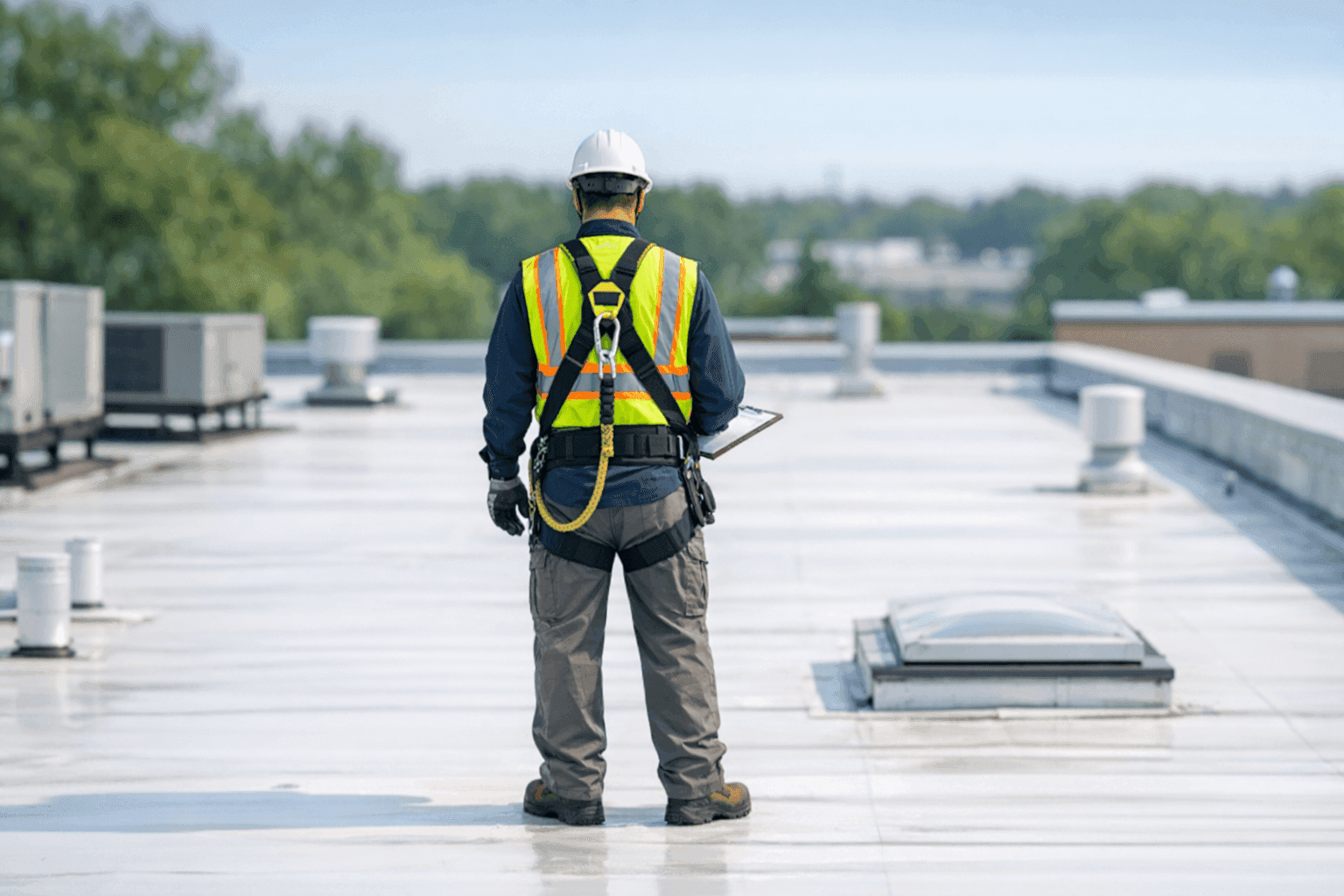
Is your building ready for the next rainstorm? If you manage or own commercial property, a reliable roof is your silent partner—always at work, protecting what matters. A small leak overhead can turn into a big headache fast. At KRB Contractors Roofing, we know how much is riding on your roof. Let’s break down what every business owner should know about commercial roofing systems, from materials to maintenance.
Common Commercial Roof Types
Commercial roofs are not all created equal. Different materials suit different needs, budgets, and climates. Here are the five most common systems you’ll see on commercial buildings:
TPO (Thermoplastic Polyolefin):
- Lightweight, flexible, and highly reflective.
- Popular for energy savings and ease of installation.
EPDM (Ethylene Propylene Diene Monomer):
- Durable, rubber-like membrane.
- Known for its strength and weather resistance.
PVC (Polyvinyl Chloride):
- Resistant to chemicals, grease, and fire.
- Often used on restaurants and factories.
Metal Roofing:
- Long-lasting with minimal maintenance.
- Can be made from steel, aluminum, or copper.
Built-Up Roofs (BUR):
- Layers of asphalt and fabric topped with gravel.
- Trusted for decades for its durability.
Each of these is like choosing a different shield for your building. But how do you decide which works best for your property? Keep reading.
Pros and Cons: Which Roof Fits Your Building? 🏢
The right roof depends on your building’s shape, local climate, and what happens inside those walls.
TPO
- Pros: Energy-efficient (reflects sunlight), resists mold, quick to install.
- Cons: Seams can be weak if not installed correctly.
EPDM
- Pros: Handles extreme temperature swings, flexible, affordable.
- Cons: Black color absorbs heat, may not be as energy-efficient.
PVC
- Pros: Strong against chemicals and fire, easy to patch.
- Cons: Can become brittle over time, higher upfront cost.
Metal
- Pros: Extremely durable, recyclable, resists heavy snow and wind.
- Cons: Noisy in rain, can dent from hail or falling branches.
Built-Up Roofs
- Pros: Excellent waterproofing, proven reliability.
- Cons: Heavy (needs strong decking), slower to install.
Before picking a system, consider the unique needs of your business. Is energy efficiency a priority? Does your roof see heavy foot traffic? Discuss options with a professional roofing contractor to match your specific situation.
Lifespan Comparison: How Long Will Your Roof Last?
Think of a roof as a marathon runner. Some sprint, some endure. Here’s how the most common commercial roofing systems stack up for longevity:
- TPO: 15–20 years
- EPDM: 20–30 years
- PVC: 20–30 years
- Metal: 30–50 years
- Built-Up Roofs: 20–30 years
Regular maintenance and quality installation can stretch these numbers. But every roof has an expiration date.
Maintenance Schedules: Keeping Your Roof in Shape
A little attention goes a long way. Building codes and manufacturer warranties often require regular checks. The National Roofing Contractors Association (NRCA) recommends inspections at least twice a year—ideally in spring and fall.
What should you look for?
- Ponding water, especially on flat roofs.
- Tears, blisters, or bubbles in membranes.
- Rust or loose fasteners on metal roofs.
- Blocked gutters and downspouts.
- Damaged flashing around roof penetrations (vents, chimneys, skylights).
Schedule a professional inspection with a company familiar with Preventative Maintenance. They’ll catch small issues before they snowball.
Signs You Need Repair or Replacement
Your roof won’t send you a memo when it’s in trouble. But it does leave clues:
- Persistent leaks or water stains inside.
- Sagging or uneven roof surface.
- Mold or musty odors in the building.
- Loose or missing flashing.
- Granules or gravel collecting in gutters.
If you notice any of these red flags, it’s time to call for commercial roofing help. Don’t wait—small issues can turn expensive quickly.
Flat Roofs: Special Considerations
Flat roofs are common for commercial buildings, but they require extra TLC. Water doesn’t naturally drain, so even minor clogs can cause big problems. Keep drains, gutters, and scuppers clear. Schedule regular cleaning, especially after storms.
If you’re searching for Flat Roofs solutions, connect with a roofing company in Mishawaka experienced in commercial systems.
The Safety Checklist Before Any Roof Work ⚠️
Safety isn’t just about hard hats. Before any roof work:
- Restrict roof access to trained personnel.
- Use fall protection (harnesses, guardrails) as per OSHA guidelines.
- Avoid roof work during storms, strong winds, or icy conditions.
- Make sure all tools and materials are secured to prevent falls.
A professional crew will always take these extra steps.
DIY vs. Calling a Pro: Where to Draw the Line
Some things you can handle—like clearing leaves from a gutter. But most commercial roofing issues need specialized tools, safety gear, and experience. Attempting repairs without proper training can void warranties and put people at risk. For anything beyond simple cleaning, call a licensed roofing specialist.
What Pros Do When They Arrive
When KRB Contractors Roofing arrives, here’s what you can expect:
- Initial walk-through to flag immediate hazards.
- Detailed inspection of membrane, seams, flashings, and penetrations.
- Moisture detection with infrared or probe tools.
- Clear report with photos and recommended next steps.
No guesswork. Just clarity you can act on.
Preventative Maintenance: The Key to a Longer Roof Life
Preventative maintenance is like regular oil changes for your car. It keeps things running smoothly and catches trouble early. Schedule regular inspections, cleanings, and prompt repairs. The NRCA and International Building Code (IBC) both recommend documented maintenance for warranty compliance and safety.
Roof Flashing and Penetrations: Weak Spots to Watch
Flashing is the unsung hero of every roof. It keeps water from sneaking in where pipes, vents, or walls meet the roof. Damaged or missing flashing is the #1 cause of leaks. Inspect these spots regularly, especially after severe weather.
Weather & Seasonal Factors
Midwest winters can be tough. Heavy snow, freeze-thaw cycles, and summer storms all stress your roof. After major weather events, check for damage and clear debris from gutters and drains.
Common Mistakes That Lead to Repairs
- Skipping annual inspections.
- Ignoring minor leaks.
- Walking on the roof without protection.
- DIY patch jobs with the wrong materials.
These shortcuts can cost you more in the long run.
When It’s an Emergency: What to Do Next
A sudden leak during a storm can’t wait. First, move valuables out of harm’s way and collect dripping water in buckets. Then, call for emergency roofing services. Quick action limits damage and gets your business back on track faster.
Budgeting for Roof Repairs and Replacement
No one likes surprise expenses. Plan ahead by setting aside a reserve for regular maintenance and eventual replacement. Most roofs give hints before they fail—listen to them and budget accordingly.
Roof Replacement Timeline & Disruption
Replacing a commercial roof is a big job, but doesn’t have to mean big headaches. A professional crew will work in sections to keep your business running as smoothly as possible. Plan for some noise and limited access during the project. The average replacement takes several days to a few weeks, depending on size and complexity.
Frequently Asked Questions About Commercial Roofing
Q: How often should I have my commercial roof inspected?
A: Twice a year, plus after major storms.
Q: What’s the most durable commercial roofing material?
A: Metal roofs can last 50 years or more with maintenance.
Q: Can I add insulation to my existing flat roof?
A: Yes, but it must meet local building codes and may require raising curbs and flashing.
Q: Are there eco-friendly commercial roofing options?
A: Absolutely. TPO, cool roof coatings, and metal roofs all offer energy savings and recyclability.
Ready for a Roof That Works as Hard as You Do?
Whether it’s time for a new roof, urgent repairs, or just peace of mind through regular inspections, KRB Contractors Roofing is here to help. We handle everything from leak repair and skylight installation to Flat Roofs and preventative maintenance for businesses like yours.
Call KRB Contractors Roofing now — or reach us anytime at 855-528-1936 .