Chimney Flashing: Protecting Against Leaks and Structural Damage
Rain drips. Water creeps. And sometimes, the smallest gap where chimney meets roof can turn into a waterfall inside your home. No one wants to wake up to stained ceilings or a musty attic—and yet, that’s exactly what happens when chimney flashing fails.
At KRB Contractors Roofing, we see it all the time. A little neglect leads to big headaches. If you own a home or run a business, understanding chimney flashing could save you from costly repairs, lost time, and a lot of stress.
What Is Chimney Flashing? 🏠
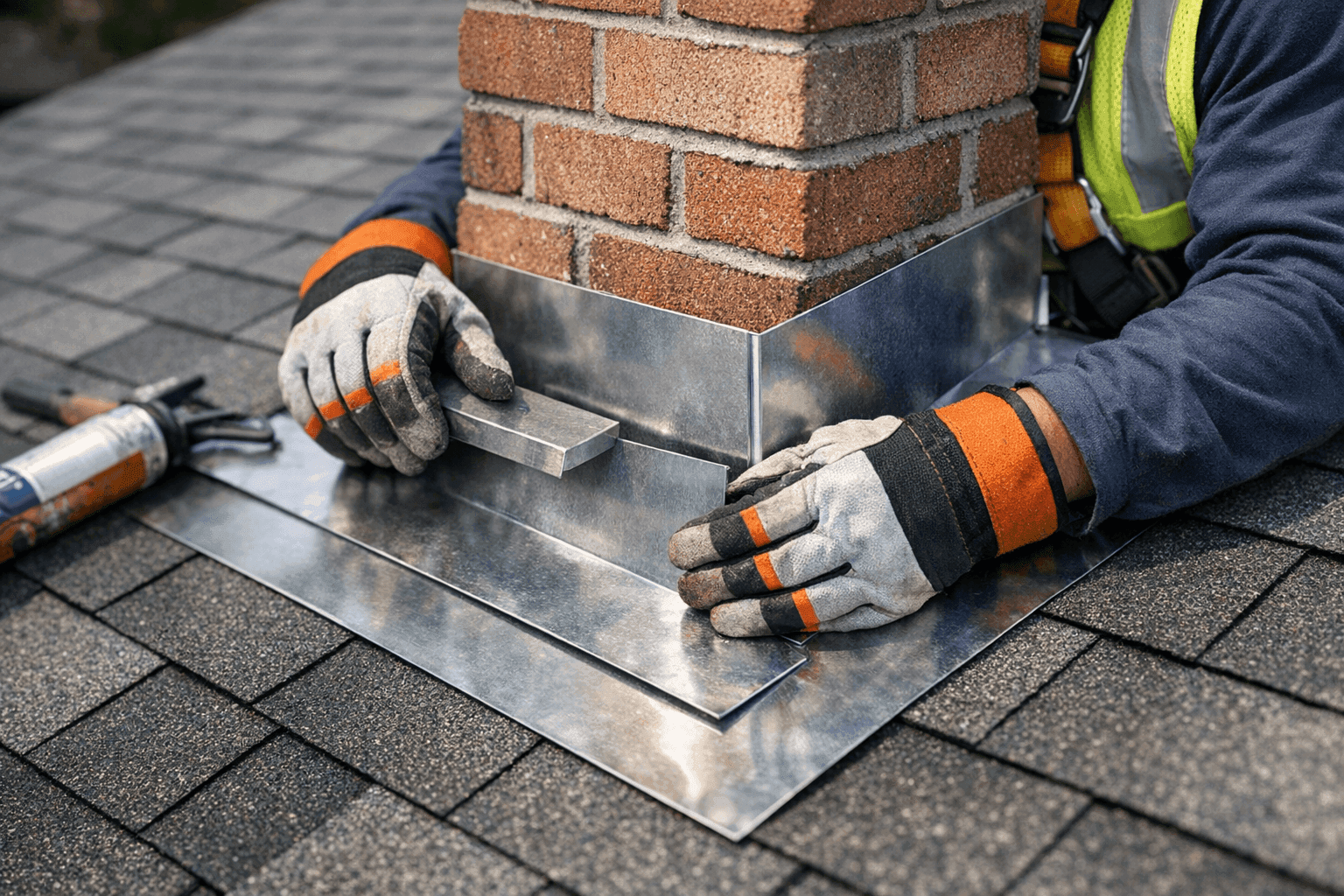
Chimney flashing is the thin layer of metal (usually aluminum, copper, or galvanized steel) that seals the intersection where your chimney meets the roof. Think of it as a raincoat’s zipper—keeping water out where two different materials meet.
Flashing consists of several parts:
- Step flashing—fits between roof shingles, directing water downward.
- Counter flashing—embedded into the chimney mortar, covering the step flashing for extra protection.
- Base flashing—sits at the bottom of the chimney, working with step flashing to direct water away.
When properly installed, these layers work together to create a watertight barrier. Neglect them, and you invite leaks, rot, and structural damage.
Types of Flashing Materials
Most homeowners don’t give much thought to the metal around their chimney. But not all flashing is created equal:
- Aluminum—Affordable and rust-resistant, but can corrode if exposed to concrete/mortar.
- Copper—Durable and attractive, but more expensive.
- Galvanized Steel—Strong, but may rust over time if not painted or coated.
The right choice depends on your roof type, your budget, and how long you want the flashing to last.
Signs of Flashing Failure
How do you know your chimney flashing is failing? Watch for these red flags:
- Water stains on ceilings or walls near the chimney.
- Musty smells in the attic or fireplace.
- Visible rust, cracks, or gaps in the metal flashing.
- Loose or missing mortar where flashing meets masonry.
- Debris buildup or moss growth around the chimney base.
Sometimes, problems are obvious—a drip, a stain. Other times, they’re subtle. Don’t wait for a major leak. Regular inspections can catch issues before they spiral.
Common Flashing Mistakes: What Can Go Wrong?
Even the best materials fail if installed poorly. Here are some classic missteps:
- Improper overlap: Step and counter flashing must overlap correctly, or water sneaks in.
- Not embedding counter flashing: It should be set into the mortar joint, not just caulked to the surface.
- Using incompatible materials: Mixing metals or using thin gauge flashing can cause corrosion and leaks.
- Skipping sealant or using the wrong type: Only roofing-grade sealants should be used for durability.
The result? Leaks that sneak under shingles, rot decking, and lead to expensive structural repairs.
Why Leaks Happen: The Science of Water Intrusion
Water follows the path of least resistance. If flashing isn’t tight against both chimney and roof, water will find its way in. Over time, freeze-thaw cycles, heavy winds, and settling can create minuscule gaps. Even a nail hole is enough for water to worm its way inside.
Once inside, moisture gets trapped. Wood rots, insulation soaks. Mold and mildew can take hold quickly—especially in damp, dark attic spaces.
Repair and Replacement Steps: What Professionals Do
When flashing fails, fixing it isn’t as simple as slapping on some caulk. Here’s how professionals at KRB Contractors Roofing handle it:
- Inspection: Examine roof, chimney, and attic for water entry points. Check under shingles for hidden damage.
- Remove old flashing: Carefully lift shingles and pry away damaged flashing—without harming the roof deck.
- Repair chimney mortar: Repoint joints if needed to ensure a stable surface for new flashing.
- Install step flashing: Tuck each piece under shingles and up against the chimney, overlapping as you go.
- Install counter flashing: Set into mortar joints, bent over step flashing for a watertight seal.
- Seal edges: Apply roofing-grade sealant at all contact points.
- Restore shingles: Lay shingles back in place and nail securely.
A proper roof-flashing-repair job blends craftsmanship, quality materials, and a little patience. Rushing the process leads to callbacks and headaches.
Maintenance and Inspection Checklist 🧐
Staying ahead of leaks is all about vigilance. Add these steps to your yearly home maintenance routine:
- Look for signs of rust or loose metal after heavy storms.
- Check attic for moisture or stains—especially after snow melts or rainstorms.
- Remove debris and leaves that pile up around the chimney base.
- Have a professional roofer inspect flashing every 1–2 years, or after any major weather event.
Many building codes (like those from the International Residential Code) require flashing to be installed and maintained to specific standards, so regular checks aren’t just smart—they’re code-compliant.
DIY vs. Professional Repair: Know Your Limits
Some minor caulking jobs or clearing debris are safe for homeowners. But full flashing replacement? That’s a job for trained hands. Mistakes can void roofing warranties, create hidden leaks, or even cause falls.
If you’re unsure, call a reputable roofing company. The cost of a professional job is far less than repairing water damage down the road.
Seasonal Considerations: When Is Flashing Most Vulnerable?
Flashing takes a beating year-round:
- Winter: Freeze-thaw cycles force water into tiny cracks, then expand them.
- Spring: Heavy rains test every seam and joint.
- Summer: Intense heat can bake sealants and cause them to fail.
- Fall: Leaves and debris can trap water, leading to rust and rot.
Schedule inspections during the spring and fall for best results. That’s when minor issues are easiest to catch.
Emergency Situations: When Leaks Strike Fast
Sometimes, flashing fails suddenly—maybe after a storm or wind event. If you notice sudden leaks:
- Place buckets or tarps to catch water.
- Call for emergency leak-repair.
- Avoid going on the roof yourself, especially in wet or icy conditions.
Quick action can minimize damage while you wait for help.
Hidden Costs: What’s at Stake?
Ignoring chimney flashing is like ignoring a slow leak in your boat. Water gets in, little by little, and the damage adds up:
- Rotting roof decking and framing.
- Ruined insulation.
- Mold growth—sometimes hidden for years.
- Interior ceiling and wall damage.
According to the National Roofing Contractors Association, water intrusion is the leading cause of premature roof failure. Protect your investment with timely repairs.
Real-World Story: The Hidden Leak
We once helped a homeowner who kept patching a water stain that returned every spring. The cause? A tiny gap in the counter flashing, hidden behind ivy. By the time we found it, rot had crept two feet into the attic framing. A simple flashing repair and a little preventative care could have saved thousands.
FAQ: Your Chimney Flashing Questions Answered
How long should flashing last?
With quality materials and installation, 20–30 years is realistic. Poor installation? It might leak in just a few seasons.
Is flashing required by code?
Yes. Most local and international building codes specify proper flashing wherever chimneys meet roofs.
Can I just reseal old flashing?
Sometimes, but if the metal is rusted or not properly installed, replacement is best.
Timeline and Disruption: What to Expect
A typical flashing repair takes 2–4 hours for a single chimney. Larger or more complex jobs (multiple chimneys, tall roofs, or structural repairs) might take a day or more. Expect some noise and foot traffic, but a professional crew works efficiently to minimize disruption.
Choosing the Right Roofing Partner
Don’t trust your roof to just anyone. Look for a team with experience in all aspects of roofing—from Chimney Flashing to inspections and preventative maintenance. The right partner keeps your home or business dry, safe, and sound.
Keep Your Chimney (and Home) Watertight
A leaky chimney flashing can turn your cozy living room into a stress zone. But with regular checks, smart repairs, and the right help, you can keep water where it belongs: outside.
Call KRB Contractors Roofing now — or reach us anytime at 855-528-1936 .